MIND Lab
Mental Health Interventions for Neurodevelopmental Disorders
Ferkauf Graduate School of Psychology
The MIND Lab explores the intersection of school and clinical psychology to develop, refine, and evaluate mental health interventions for children, adolescents, and adults with neurodevelopmental disorders. Our work is grounded in the understanding that psychopathology is a core feature—not just a downstream consequence—of these diagnoses. We focus on emotional functioning as a central treatment target, rather than an ancillary concern.
We conduct research that informs real-world practice in therapy offices, classrooms, and homes. Our projects span psychotherapeutic technique development, transdiagnostic assessment models, and practitioner-led implementation science. Whether working with a teacher in a school setting or a psychologist in a clinic, we aim to make evidence-based interventions more feasible, personalized, and psychologically minded.
Research Focus Areas
Psychotherapy for Learning and Attention Disorders
Developing emotionally informed treatments even when traditional reimbursement systems fail to recognize their necessity.Dimensional, Transdiagnostic Models
Investigating how co-occurring cognitive, emotional, and academic struggles can be addressed through cross-cutting intervention strategies.Single-Subject and Small-n Methodology
Partnering with biostatisticians to adapt rigorous research designs for use in small samples and individualized interventions.School-Based Implementation
Supporting teachers and support staff in private school settings to implement and track social-emotional and behavioral goals using the RTI/MTSS framework.Democratizing Data
Disseminating an easy-to-use data collection and analysis pipeline for teachers, therapists, and physicians, empowering them to evaluate the effectiveness of their work.
Current Projects
Piloting refined psychotherapeutic approaches for adolescents with learning disorders
Exploring outcome measures for emotional well-being in educational settings
Training teachers to use data dashboards to monitor progress on IEP social-emotional goals
Conducting single-case research on interventions for executive functioning and emotion regulation
Analyzing policy gaps between diagnosis-based coding systems and actual clinical needs
Opportunities for Students
Lab members participate in:
Literature reviews, conceptual model building, and measure selection
IRB preparation and ethical study design
Community-based data collection (including school and clinic partnerships)
Data analysis and visualization using tools like Power BI, R, and SPSS
Writing manuscripts, preparing posters, and presenting findings at conferences
Our Mission
To advance mental health care for individuals with neurodevelopmental disorders by ensuring that interventions are emotionally responsive, evidence-informed, and practically implementable—especially for those whose struggles are under-recognized by current diagnostic and procedural systems.
Our Lab Members
Dr. Katie Davis is a clinical neuropsychologist who provides psychotherapy and cognitive remediation to individuals with neurodevelopmental disorders. She serves as an Assistant Professor in the Combined School-Clinical Child Psychology program at Yeshiva University’s Ferkauf Graduate School of Psychology, previously held research positions at Johns Hopkins and Columbia University as a NIH-funded investigator, and regularly publishes in peer-reviewed journals and major media outlets. With a passion for bridging research and real-world application, she writes the popular weekly Substack newsletter “Teensights,” which focuses on issues relating to cognitive development, mental health, and education, and boasts a broad and dedicated readership of parents, educators, and mental health professionals.
Samantha Printz is a fourth-year School-Clinical Child Psychology doctoral student at the Ferkauf Graduate School of Psychology. Through her research and clinical experiences, Samantha has developed a passion for working with children and adolescents with neurodevelopmental disorders. She completed her doctoral research about joint attention and language outcomes in children with autism. She is currently an extern at The Seaver Autism Center for Research and Treatment at Mount Sinai where she provides intervention and conducts evaluations for individuals with autism. Samantha hopes to become a pediatric neuropsychologist in the future.
Jessica Feldman is a current fourth-year School-Clinical Child Psychology doctoral student at Ferkauf Graduate School of Psychology. She has extensive experience providing psychotherapy and conducting evaluations for children and adolescents with neurodevelopmental disorders in various settings including a day treatment center, low-fee community clinic, and hospital. She was previously a clinical extern at The Seaver Autism Center for Research and Treatment at Mount Sinai where she provided intervention and conducted evaluations for children and adults on the autism spectrum. This year, she is an extern at the Center of Excellence in ADHD and Related Disorders at Mount Sinai where she continues to provide therapy and conduct extensive neuropsychological evaluations for children and adolescents with neurodevelopmental disorders. She completed her doctoral research about parent teacher concordance on the Autism Impact Measure (AIM). Ultimately, Jessica hopes to advance her training towards her career goal of becoming a pediatric neuropsychologist.
Abigail Ovitsh is a third-year student in the School-Clinical PsyD program at Ferkauf Graduate School of Psychology at Yeshiva University. At the MIND lab, her research focuses on the efficacy of early intervention for children diagnosed with autism or at-risk for developing autism, specifically concerning social communication outcomes. She has previous experience working in a psychophysiology lab at Brooklyn College, where she studied the interplay between psychopathy and social exclusion. Abigail is currently an extern at Staten Island University Hospital, where she conducts neuropsychological evaluations for children with neurodevelopmental disorders and other complex medical issues.
Daniel Best is currently a 3rd year student pursuing his doctorate (Psy.D) in School-Clinical Child Psychology at Yeshiva Ferkauf Graduate School of Psychology, and is externing at The Child and Family Institute. Before his doctorate, Daniel graduated with a Master’s in Mental Health Counseling at Ferkauf as well. His research interests center on developmental differences between autistic and typically developing children. Currently, his doctoral research focuses on examining language development differences between children with Autism Spectrum Disorder (ASD) and typically developing peers, with an emphasis on identifying early language markers that may predict ASD diagnosis. In addition, Daniel has conducted preliminary research on the use of neurofeedback in alleviating autism symptomatology, as well as the application of quantitative reflex integration to enhance neurofeedback treatment outcomes.
Benjamin Avshalomov, LMHC, is a Licensed Mental Health Counselor and a doctoral student in School-Clinical Child Psychology at Yeshiva University’s Ferkauf Graduate School of Psychology. He works with children, adolescents, and families across school, outpatient, and community settings, with a particular focus on youth impacted by trauma, foster care, and adoption. His clinical approach integrates evidence-based treatments with a neurodiversity-informed perspective. He is ADOS-trained with experience assessing and supporting autistic and neurodivergent youth. He emphasizes supportive relationships, individualized care, and helping young people grow within the context of their families and communities.
Mia Leibowitz is a third-year student in the Combined School-Clinical PsyD program at Ferkauf Graduate School of Psychology. She is currently an extern at Hackensack Children’s Cancer Institute, providing weekly individual therapy to children with cancer and hemotological diagnoses and completing neuropsychological assessments to children of all ages with complex medical histories. Her individual research is focused on the effect of psychotherapy for children with Learning Diasbilities (LD). She is passionate about providing treatment to children of all ages with complex psycho-social histories.
Cecilia Zhai is an integrative psychotherapist. Her clinical work is closely align with her clinical research. Her clinical research areas are Chinese American mental health, acculturation, immigration's mental health, attachment, spiritual psychology, religious psychology, and cross-cultural psychology.
Jana Parker is a clinical psychology graduate student with a strong passion for child and adolescent development, particularly in understanding learning differences and behavioral health. Her interests revolve around neuropsychology, with a focus on assessments, interventions, and how children learn across settings. Her motivation to study derived from her love and care for her autistic son, and advocating for children with special needs.

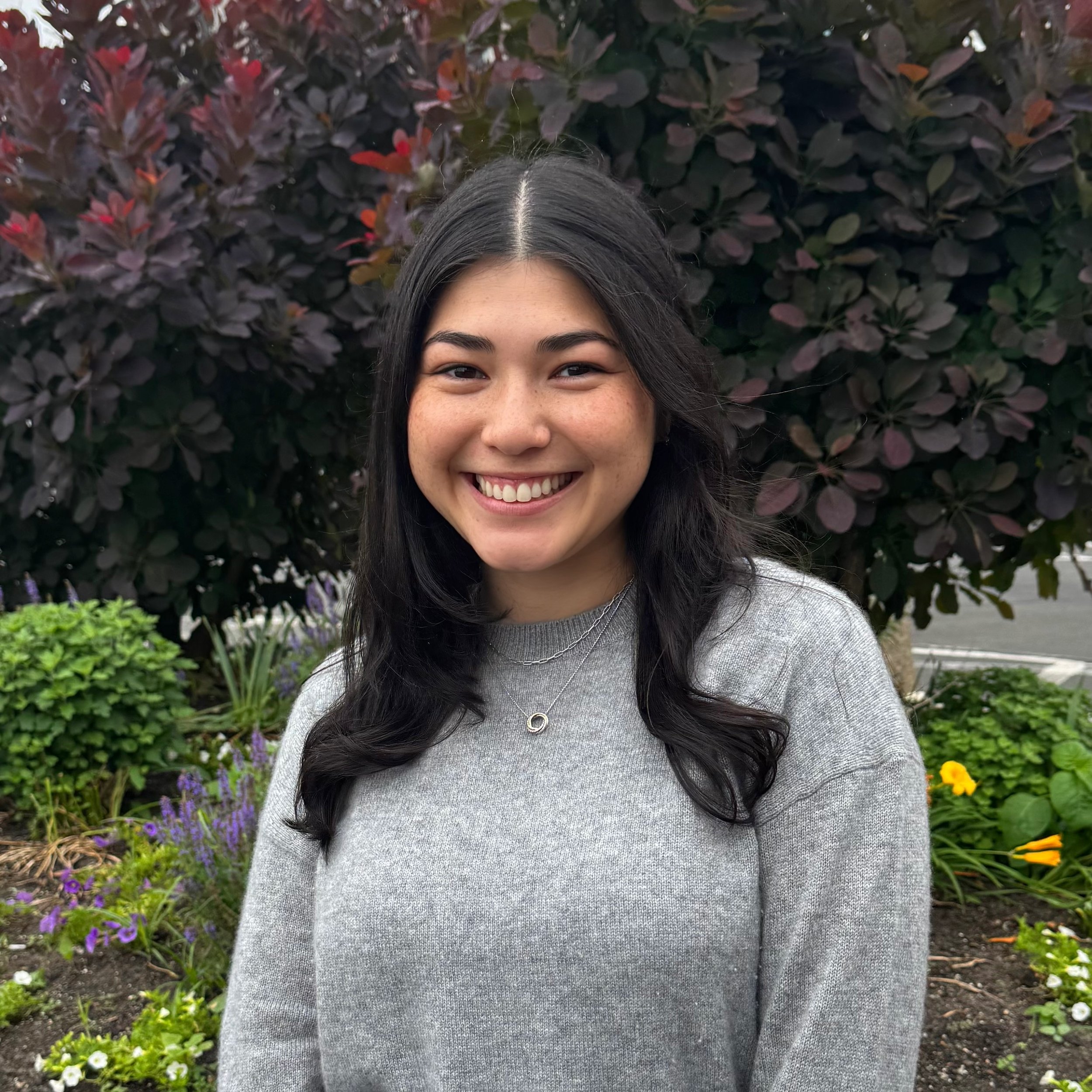
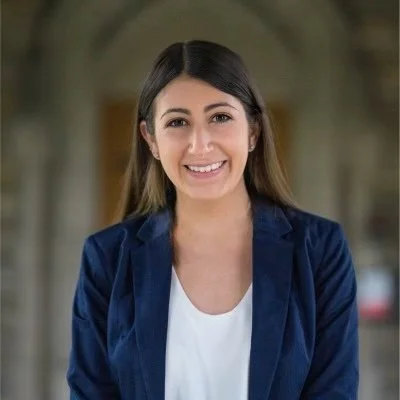

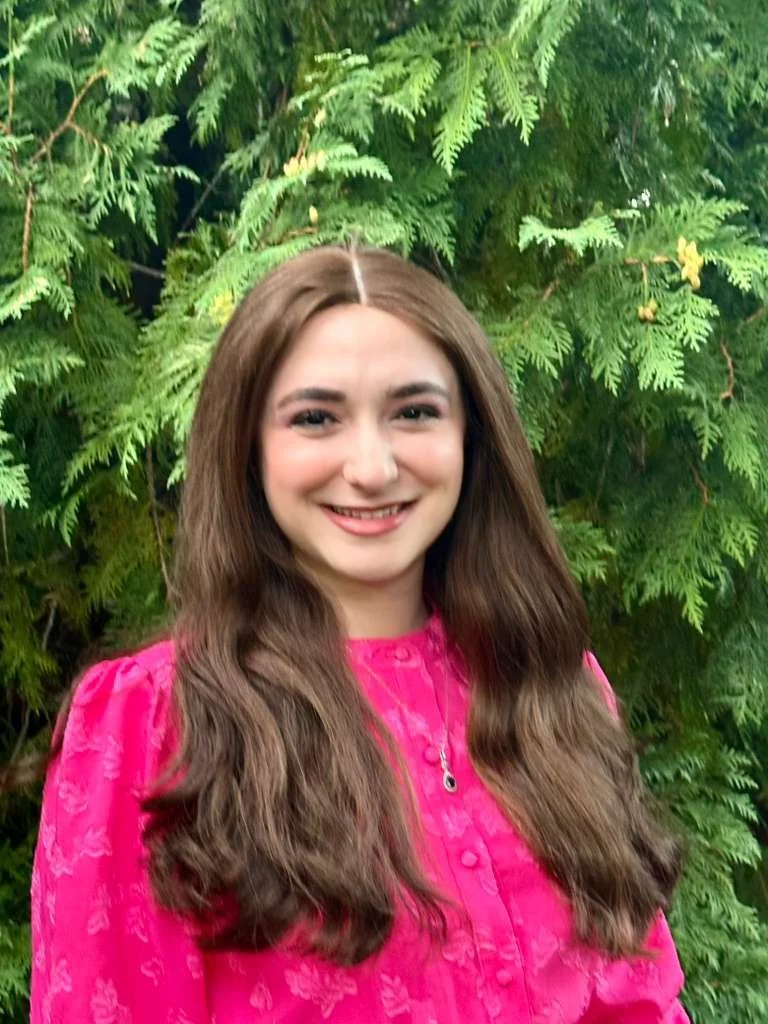
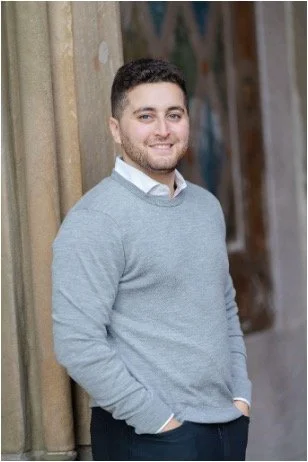
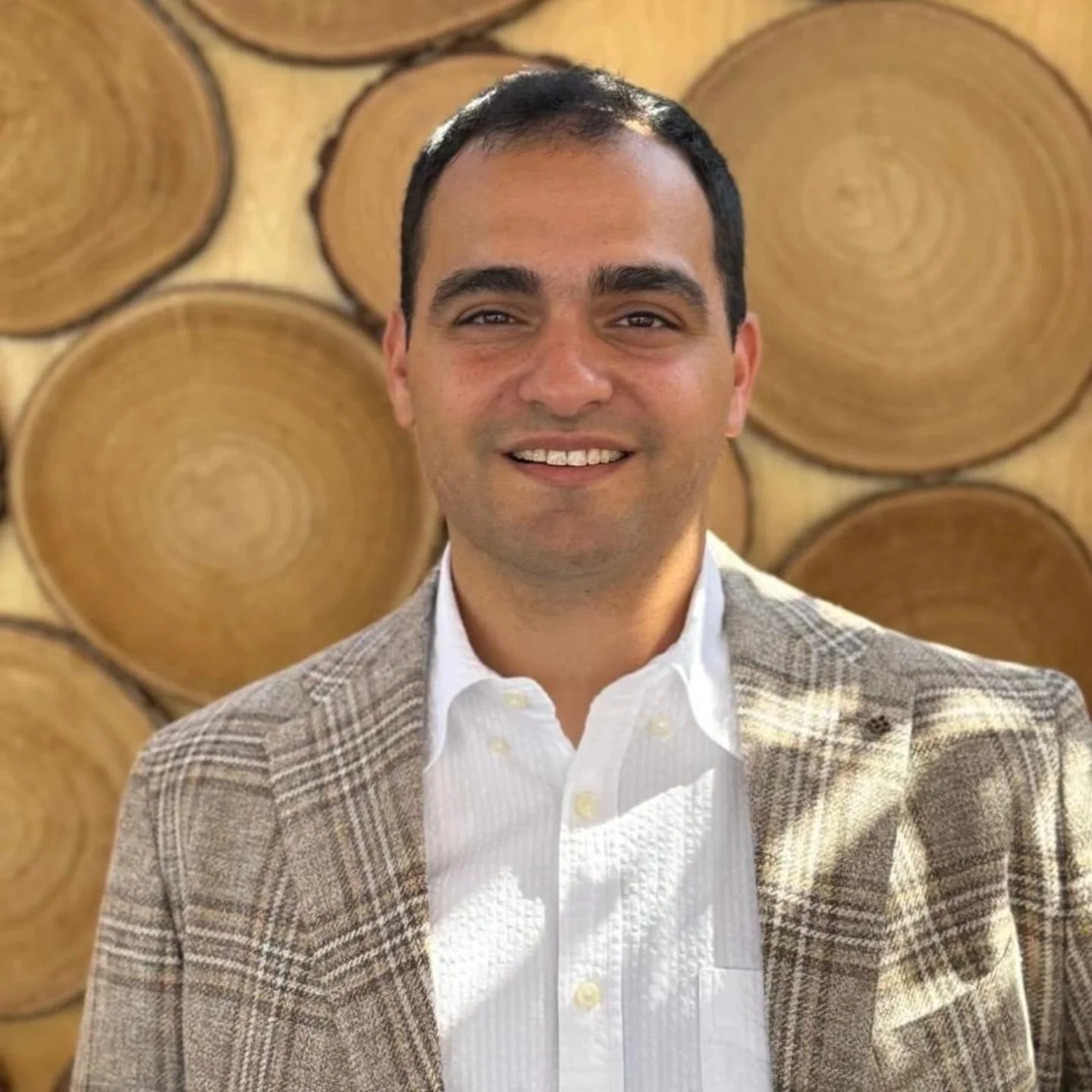

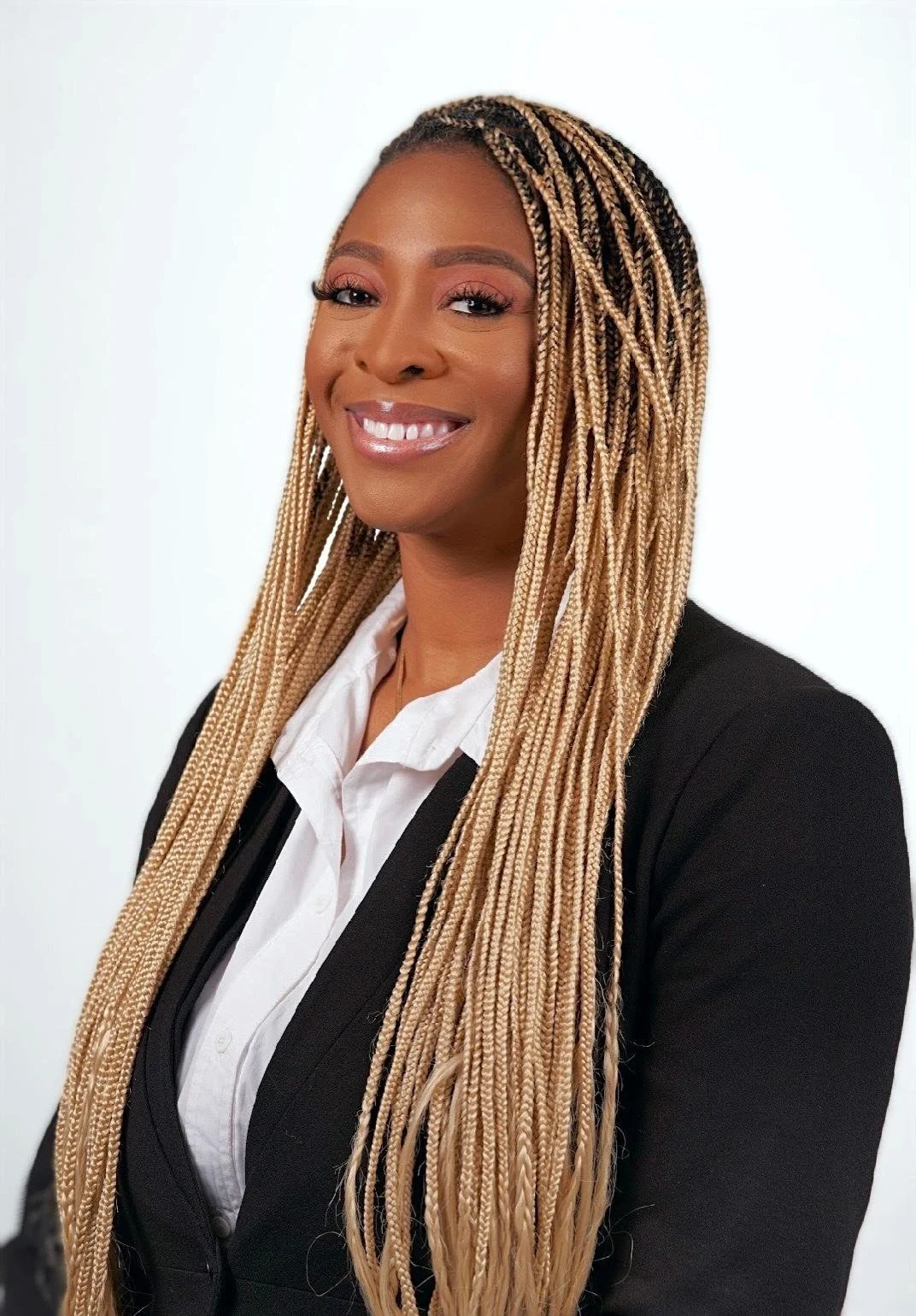
Emily Ratzker is a second-year student in the PsyD Clinical Psychology program. She is currently at Bronxville Elementary School for her externship, where she is gaining experience in counseling and psychological assessment. She enjoys working with children and adolescents and is dedicated to supporting their growth and well-being.